
Is Rio de Janeiro Dangerous? The Truth from Someone Who Lives There
Rio de Janeiro is dangerous, maybe. Or maybe it depends?
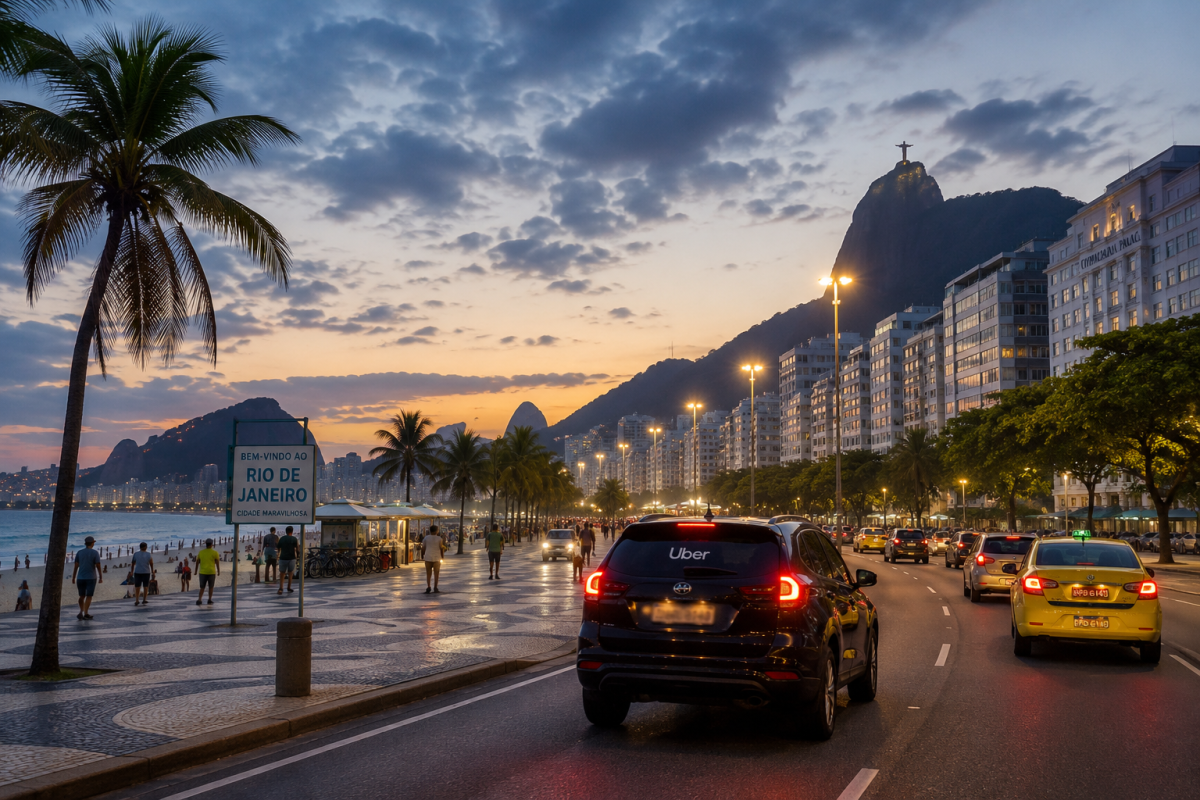
“Aren’t you afraid to live there? Isn’t Rio de Janeiro dangerous?” It’s the question I’ve been asked most often since I moved to Rio de Janeiro in 2018. And I get it: between the news, movies, and stories from friends of friends, Rio’s reputation as a dangerous city often comes before its turquoise waters and lush green mountains.
If you need advice about Rio de Janeiro or Ilha Grande, you can contact me through my travel agency’s website, created specifically to assist travelers planning a trip to Brazil.
In questo articolo
Is Rio de Janeiro dangerous? Why does it have this reputation?
Rio de Janeiro has been dealing for decades with high crime rates, mainly linked to drug trafficking in the favelas, as well as petty crime (pickpocketing and snatch theft) in crowded tourist areas. These are real issues that local authorities deal with every day, and it would be dishonest to deny them.
But there is a huge difference between saying “Rio has dangerous areas” and saying “Rio de Janeiro is dangerous and you can’t step outside your hotel without putting yourself at risk.” The latter is what you often hear abroad, often amplified by people who have never even been there.
But trust me when I say that this is not the reality, because you can visit Rio safely.
What Does This Mean in Practice?
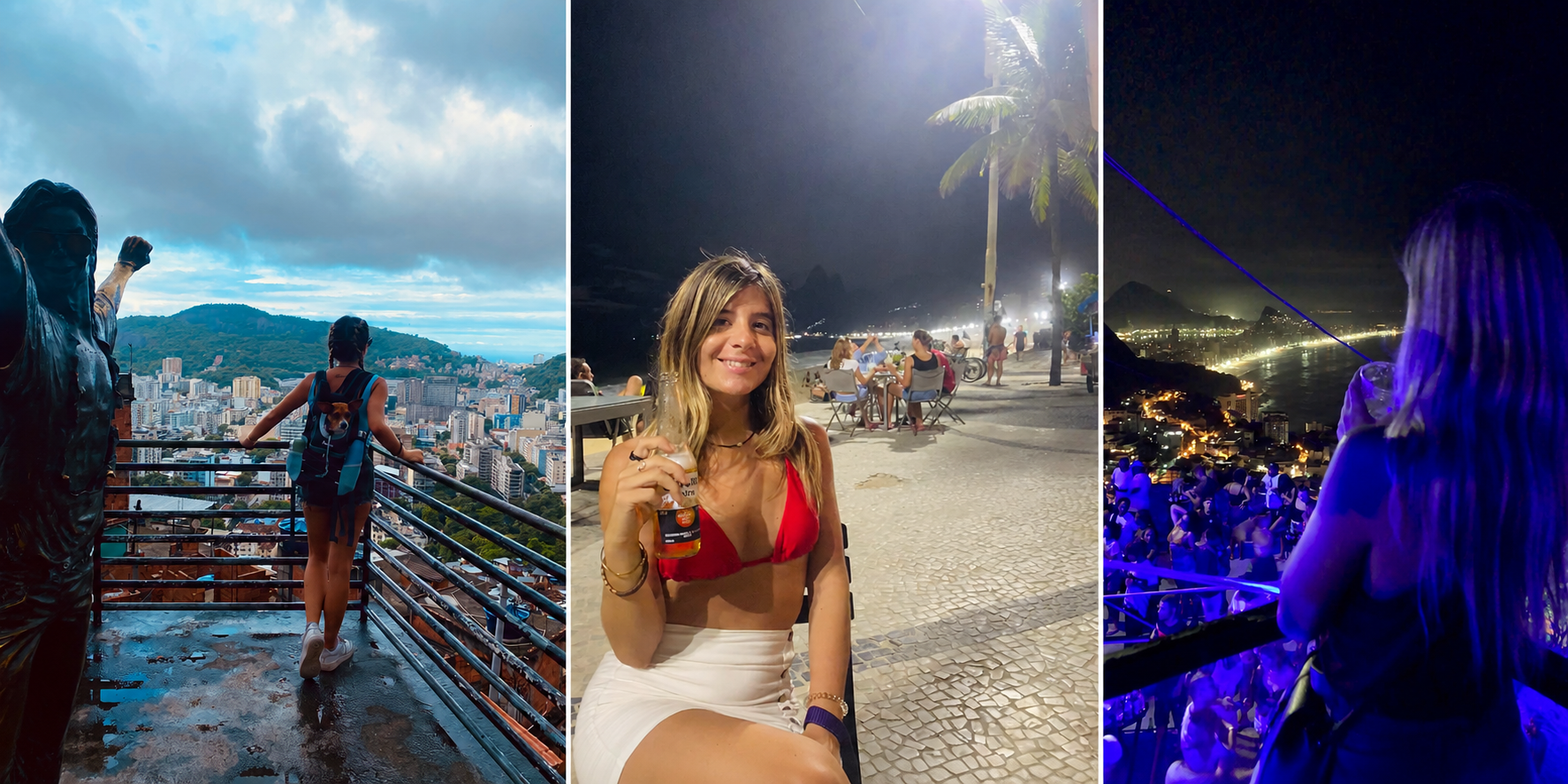
Living in Rio firsthand, the everyday reality feels very different from what you might expect if you only watched the news. Rio is a huge city (with more than 6 million inhabitants), and just like in any major metropolis—think São Paulo, Mexico City, or even certain areas of Milan or Naples—safety depends a lot on where you are, what time it is, and how you behave.
Areas Where Tourists Can Feel Comfortable
- Zona Sul (Copacabana, Ipanema, Leblon, Botafogo): this is Rio’s main tourist area. It is generally well-patrolled, busy, and full of life throughout the day.
- Santa Teresa: a charming, bohemian neighborhood that is generally fine during the day, but where you should be more cautious at night.
- Barra da Tijuca: a modern residential area that is generally very quiet. It is home to many of Rio’s wealthier cariocas.
Areas to Avoid or Visit Only With a Local Guide
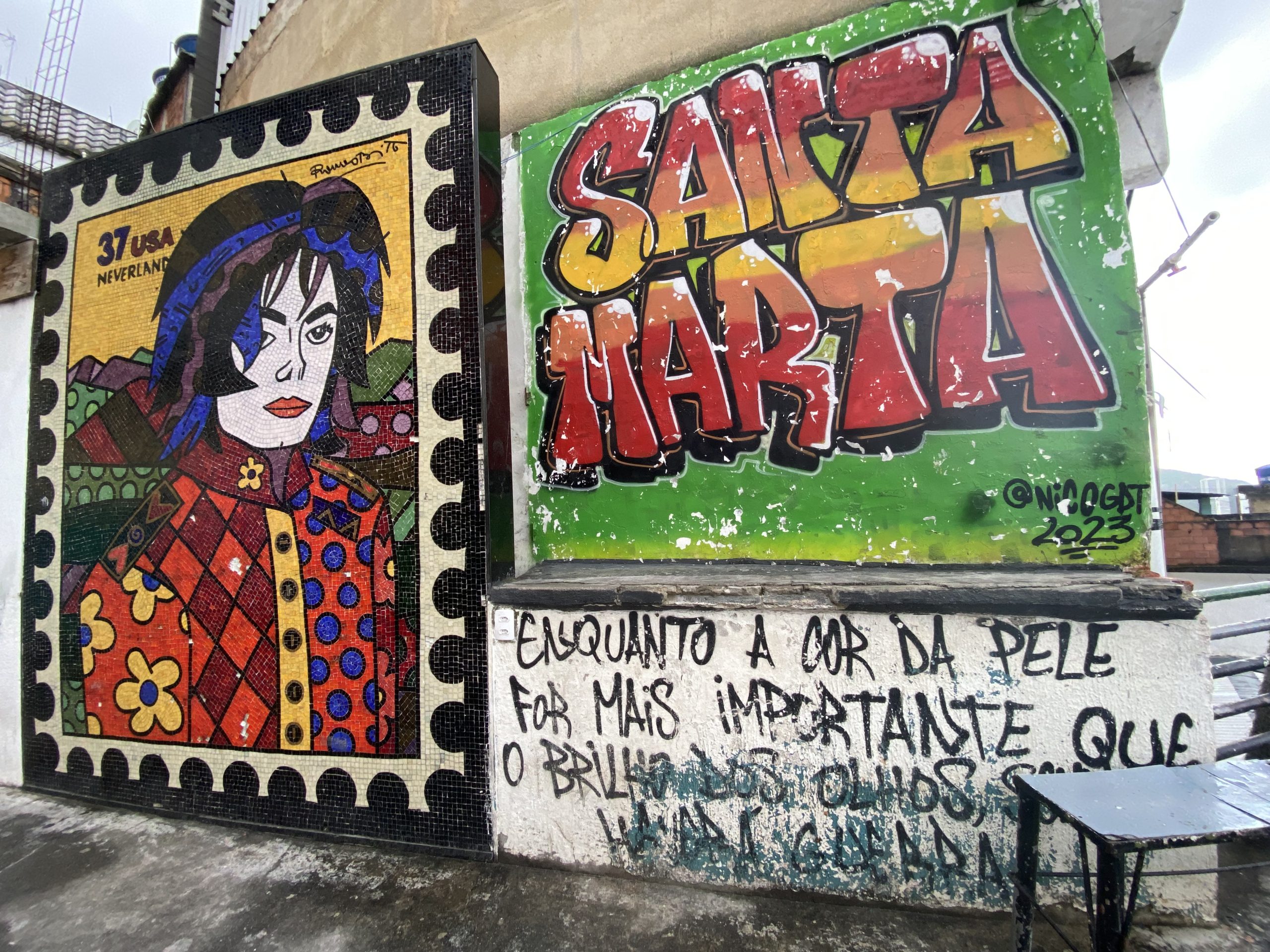
favela santa marta
- Favelas (including “touristy” ones such as Rocinha, Vidigal, and Santa Marta) should never be visited on your own. If you want to visit a favela, always go with a local guide or an organized tour led by someone who genuinely knows the area and its dynamics. I can help you organize your favela experience, just send me a message here.
- Some areas of the city center are also best avoided, especially at night and on weekends, when the streets can become deserted and there may be a higher presence of people struggling with drug addiction and drug dealers.
The practical tips I always give my readers and my agency’s clients
- Don’t flaunt your valuables: avoid wearing flashy watches, gold necklaces, or carrying designer backpacks while walking around, especially on the beach.
- Use Uber or 99 (the local ride-hailing app) instead of street taxis, especially at night. Ubers are very affordable in Rio, so I always recommend using them to get around and avoid unnecessary problems.
- At the beach, never leave your bag, phone, or documents unattended while you go swimming. Have someone watch your belongings, or leave valuables safely at your hotel.
- At night, stick to well-lit, busy areas and avoid isolated streets, even in “safe” neighborhoods. This is exactly where thieves are more likely to operate. (Paradoxically, you might actually feel safer in a favela in Zona Sul than in some tourist areas!)
- Favelas should only be visited with experienced local guides, never independently. They are living communities, not tourist attractions to explore at random.
- Always keep a digital copy of your documents and, whenever possible, leave the originals safely at your hotel.
Is Rio de Janeiro Dangerous? How Has the City Changed Since I Arrived
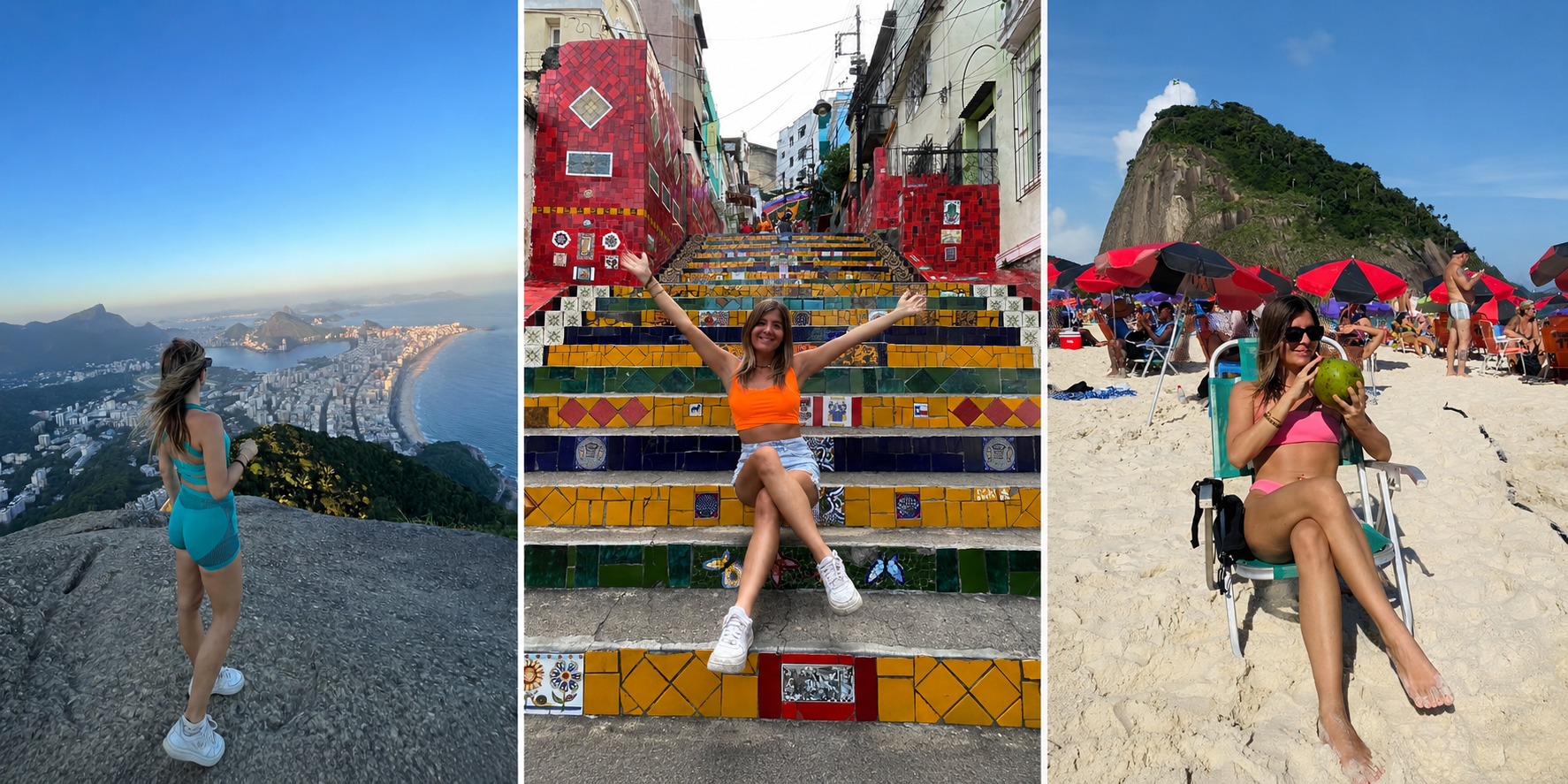
When I first arrived in 2018, Rio was nowhere near the “trendy” destination it is today: very few Italian travelers had it on their radar, and those who did were almost always discouraged by friends and family. Today, the situation is completely different, and I’m not saying this based solely on my personal experience: the data confirms it. According to Embratur, Brazil’s tourism board, 2025 was a record-breaking year for international tourism in the state of Rio de Janeiro, with more than 2.19 million foreign visitors—the highest number ever recorded.
And 2026 is doing even better: in the first few months of the year, growth compared with 2025 was around 17–18%, with the state government aiming to welcome more than 2.5 million international tourists by the end of the year. In the first half of 2026 alone, the city welcomed more than 6 million visitors, both domestic and international. In other words, Rio has gone from being a “bold” destination to one of the most sought-after and fastest-growing destinations in South America, and this also means greater perceived safety, more investment, and a more developed tourism infrastructure than a few years ago.
My personal experience
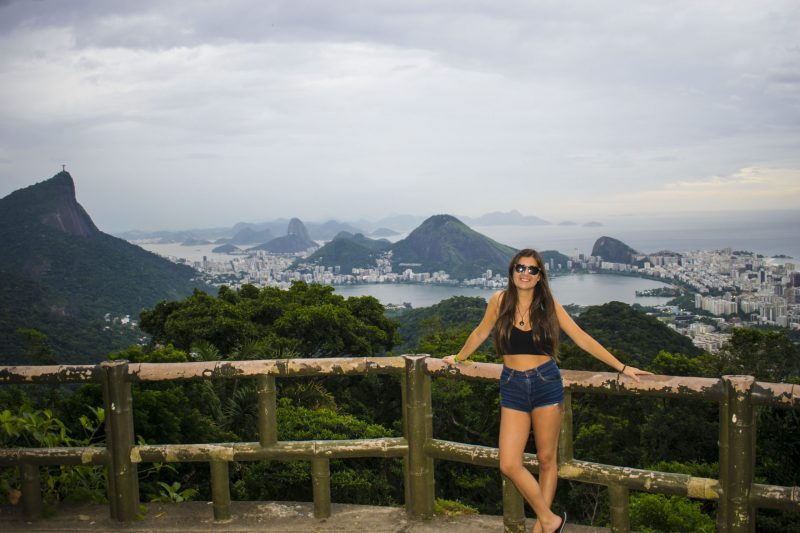
Vista Chinesa March 2018
I first arrived in Rio on January 3, 2018. I had come through a Workaway program to spend three months working at a hostel in Botafogo, one of the neighborhoods in Zona Sul.
I remember those first few days very clearly: I was terrified of going out alone. I constantly looked over my shoulder and avoided streets that I now walk through without a second thought. It was the classic fear of someone arriving with their head full of all the stories they had heard before starting my brazilian trip.
Then, little by little, that fear turned into love. I fell in love with the city, its nightlife that never seems to stop, the unique vibe you feel in the streets, on the beach, and at outdoor bars in the evening.
I learned to experience Rio for what it really is, rather than for what people say about it from the outside. And today—years later, with a city that has become even more popular and frequented by tourists—I move every day between Zona Sul, the beaches, and the Costa Verde towards Ilha Grande with the same energy that made me fall in love with this place in the first place.
I take the same precautions I would in any major city in the world (perhaps a few extra), but most of the “disasters” I’m told about by people who have never even been here simply don’t match the reality I’ve experienced every day for the past eight years.
The Safest Way to Truly Discover Rio (and Its Favelas)
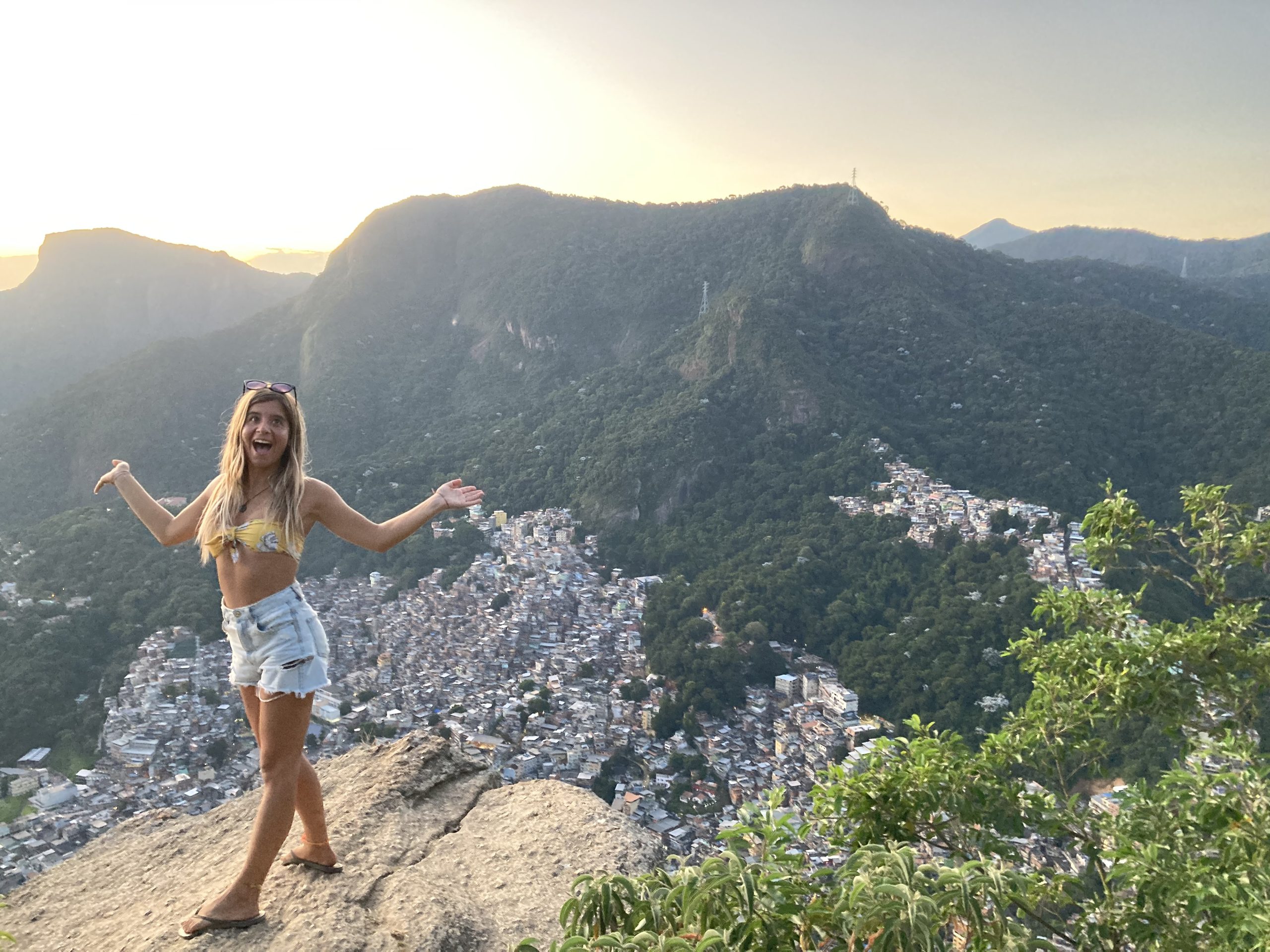
Rocinha View
If your biggest concern is the favelas, which are often also at the heart of Rio’s cultural and musical scene, the answer isn’t to avoid them, but to visit them the right way: with a local guide who knows the people, the streets, and the right times to go. That’s exactly what we organize with our Rocinha Favela Tour: an authentic experience, in a safe environment, with someone who truly knows and lives in the neighborhood.
And if you want to see the best of Rio without worrying about the logistics, our Rio de Janeiro in 1 Day Tour takes you to the city’s highlights with complete peace of mind.
Conclusion: Is Rio de Janeiro dangerous?
Rio de Janeiro isn’t a “dangerous” city in the way it is often portrayed. It’s a major metropolis, with its bright side and its challenges, and it should be experienced with the same basic precautions—no more and no less—that you would take in any other major city in the world.
The stories that make the most noise are almost always the exceptions, not the rule. With a few sensible precautions and, in more sensitive areas, the help of someone who genuinely knows the place, Rio reveals itself for what it really is: one of the most vibrant, beautiful, and surprising cities you can visit.
If, after reading this article, you feel more reassured but still have questions about planning your trip: where to stay, how to get around, which areas to choose, or how to combine Rio with a longer itinerary towards Ilha Grande—I can personally help you create a tailor-made trip, with the peace of mind that comes from having someone who knows and lives in this city every day.


