
Rocinha Favela Tour: What to Expect and Is It Ethical?
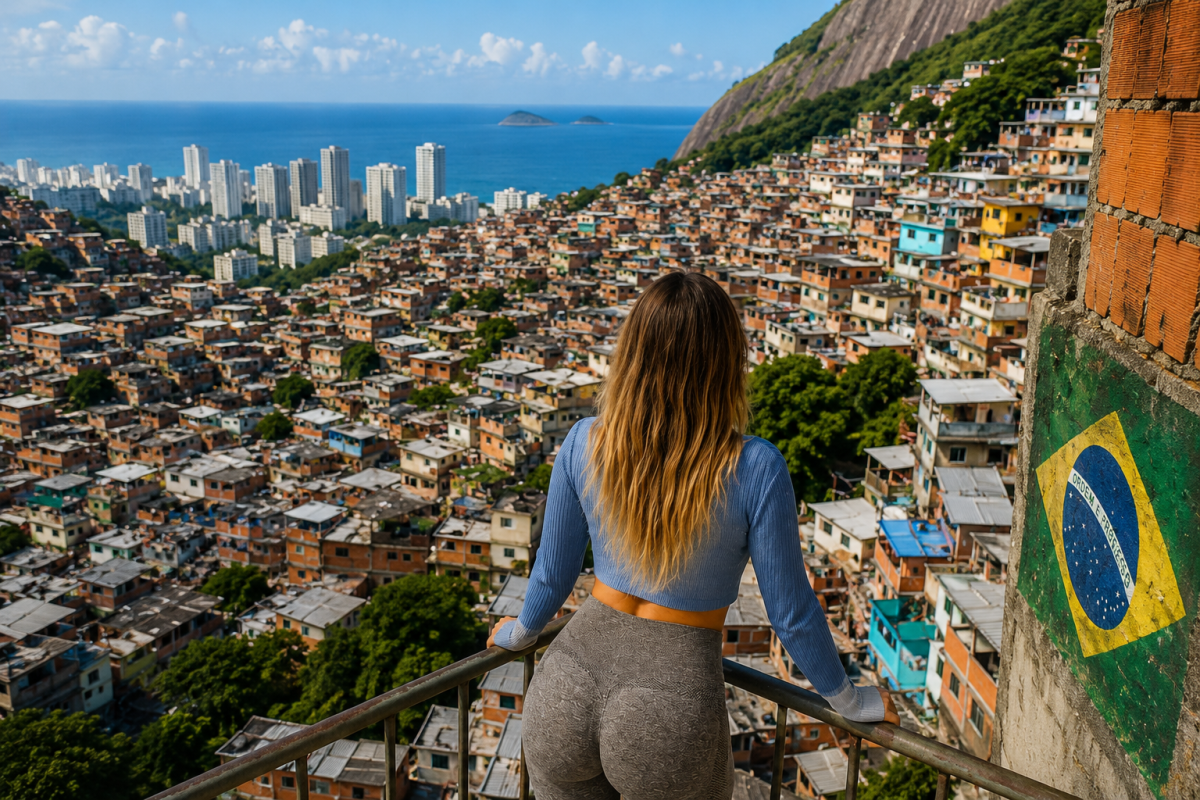
Rocinha favela tour is one of the inquiries I receive most often from people planning a trip to Rio de Janeiro, and I understand why. I’m Italian, I’ve lived in Rio for years, and Rocinha – the largest favela in Brazil, nestled between the neighborhoods of São Conrado and Gávea – is a part of the city I’ve come to know step by step, rather than simply seeing it from the top of a tourist van.
With more than 100,000 residents living on a hillside overlooking one of the city’s most exclusive beaches, Rocinha – and other favelas in Rio – in recent years have become increasingly popular destinations for visitors.
But behind the curiosity of tourists lies a question I asked myself too, before ever recommending the experience to anyone else: does it make sense, and is it ethical, to visit a favela as a tourist?
In this article, I will share my personal experience, along with what you can realistically expect from a Rocinha favela tour the main arguments surrounding the ethical debate, so you can make an informed decision. If you’d like help organizing your own local experience in Rocinha, send me a message here and I’ll be happy to help!
In questo articolo
What is Rocinha and why it attracts so many tourists

Rocinha is not simply a poor neighborhood: it is a city within a city, with shops, banks, pharmacies, schools, restaurants, and even a few real estate agencies. It began as an informal settlement in the 1920s, grew chaotically along the hillside, and today stands side by side with the wealth of São Conrado, separated by nothing more than a road. Actually, one of the things that has always fascinated me most about Rio is how a poor neighborhood can stand just steps away from one of the city’s wealthiest areas.
I think that what attracts visitors is not poverty itself, but the contrast: breathtaking ocean views, an urban density unlike anywhere else, a vibrant informal economy, and a street culture (music, street art, and funk carioca) that has deeply influenced Rio’s identity.
Rocinha Favela Tour: What to Expect

One of our tours in Rocinha
How the Tour Works
Most organized tours follow a similar structure:
- Meeting point is Copacabana, Ipanema, or São Conrado area.
- Getting uphill by motorcycle taxi to the higher levels of Rocinha, where you can enjoy the best views.
- Walking back down through the alleys, with stops to learn about the area’s history, informal electrical networks, and organic urban development.
- Local stops: tours often include a visit to a small local craft shop, a social or cultural center, and sometimes a community project partially supported by tourism.
- Duration: usually between 3 and 4 hours (you can also have lunch there with the guide f you want)
What you will see
Expect to see exposed-brick houses built one on top of another, tangled electrical wires, and small shops on every corner. You will also see children playing in the streets, colorful murals, and an ocean view that you won’t find anywhere else in Rio. Don’t expect postcard-style poverty or dangerous situations: local guides know the area, and the routes are planned to be safe.
In addition to daytime tours, I have also been to a baile funk inside Rocinha, one of the typical favela parties that brings the neighborhood to life at night: extremely loud music, pure energy, and an up-close experience with an aspect of Rio’s culture that rarely makes it into the city’s postcard image. However, it is a completely different experience from an afternoon walk through the alleys, but it tells the same story: Rocinha is, above all, a living, vibrant place.
Who Leads the Tours
This is the most important point: the quality and ethics of the experience depend almost entirely on who organizes it. In my opinion, there are two very different models:
- Local guides who live in Rocinha reinvest part of their proceeds back into the community. I have a partnership with a local guide called Dudu (Eduardo is his real name), and he is very kind, gentle, and he will make your Rocinha Favela tour unforgettable. Contact me here, and I will be happy to share his contact with you!
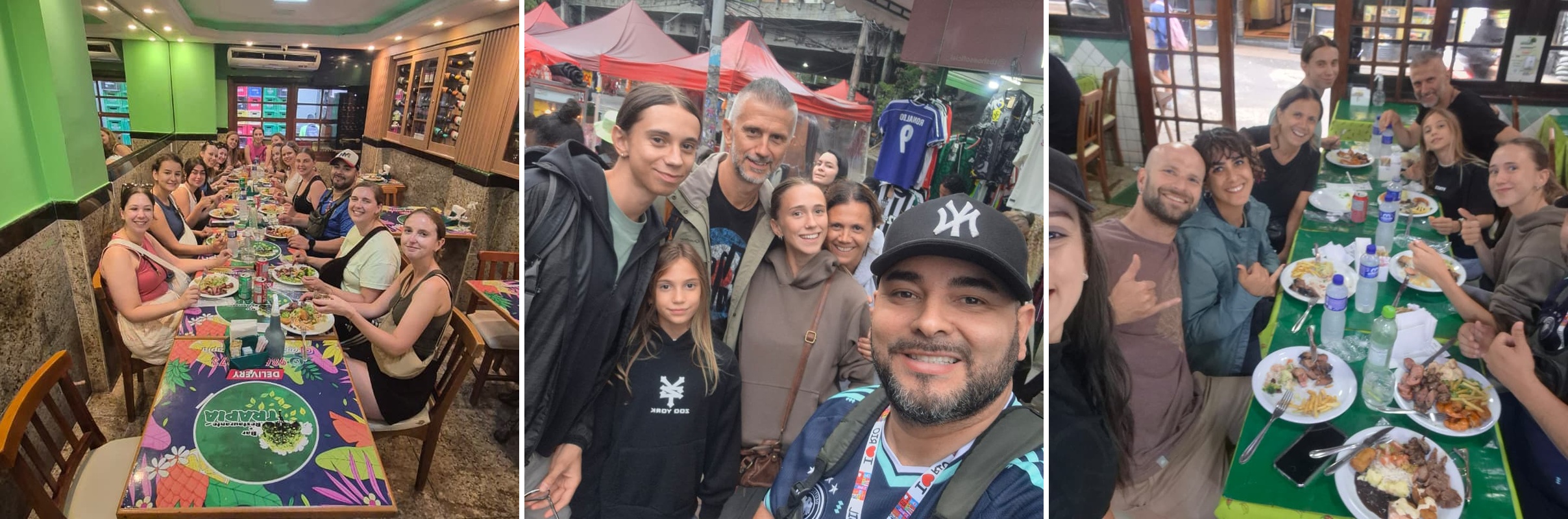
- Large tour operators, which bring large groups in vans with non-resident guides, following a model that is more like an “urban safari.” AVOID THEM AT ALL COSTS!
Honestly, choosing between these two models is the real answer to the question of whether a Rocinha favela tour is ethical.
Is It Ethical to Take a Rocinha Favela Tour?

The Arguments Against
Critics of “favela tourism” (or, more harshly, “poverty tourism”) raise some concrete concerns:
- The spectacle of poverty: groups of tourists photographing homes and people as if they were a zoo attraction. Ofter, these people don’t have any genuine interest in the people who live there.
- Lack of consent: many residents have never been involved in the decision to turn their neighborhood into a tourist destination.
- Unequal distribution of profits: when a tour is operated by an outside agency, the money often doesn’t stay within the community.
- The “showcase” effect: some tours only highlight the most picturesque views while ignoring real challenges. Such as: access to services, violence, and inequality, reducing Rocinha to little more than a backdrop.
The Arguments in Favor
Those who defend these tours, when they are well managed, raise equally important points:
- Direct economic impact: local guides, craft shops, and small restaurants receive income that might otherwise never reach them.
- Breaking down stereotypes: Visitors often arrive seeing Rocinha only through the lens of violence, but leave with a more nuanced view of the community.
- Visibility and advocacy: some social projects supported by tourism, such as music schools, cultural centers, and artisan cooperatives, rely in part on these visitor flows.
- Grassroots initiative: when guides are local residents, the tour becomes a first-person account rather than an outsider’s observation.
The truth is: It Depends on How You Do It, Not Whether You Do It
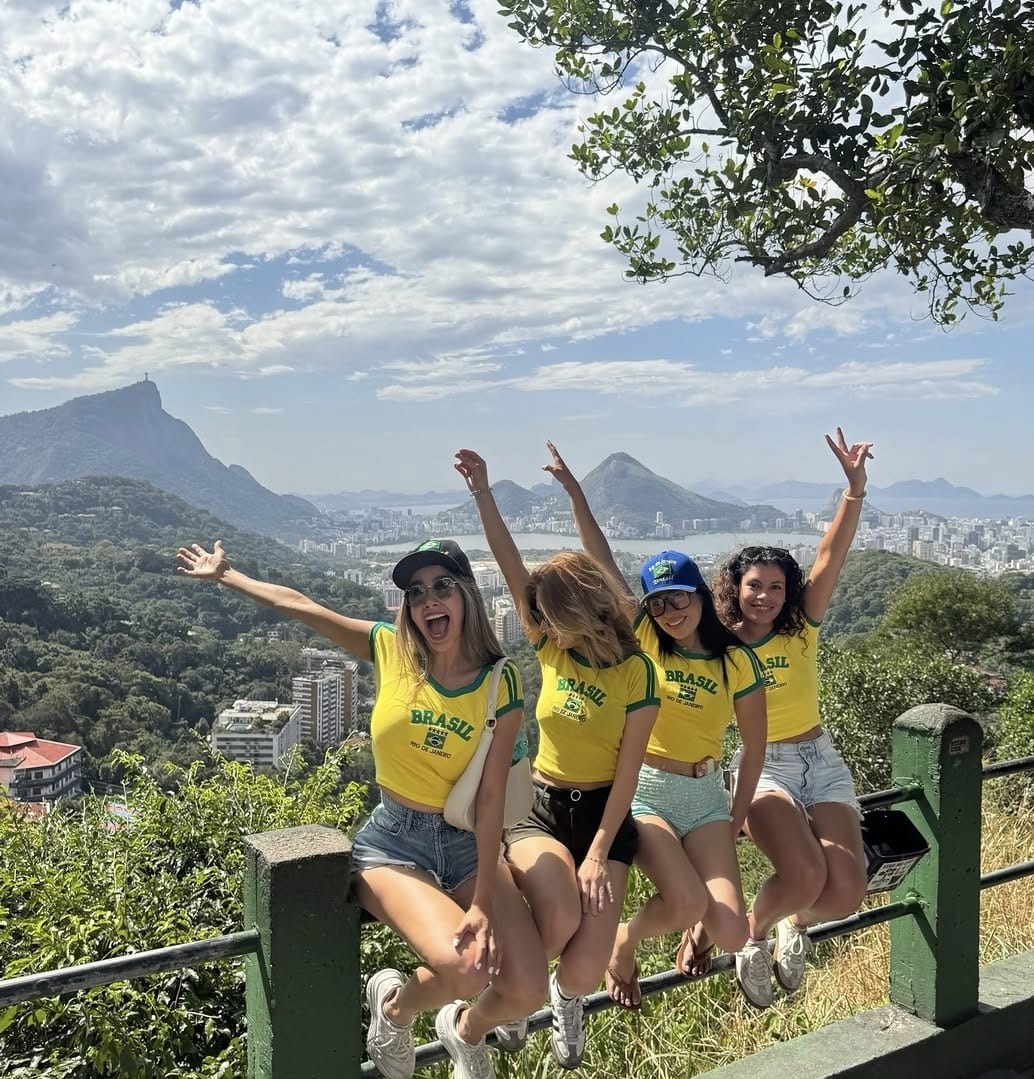
The academic community that studies favela tourism – and Rocinha residents themselves, when interviewed – tends to agree on one point: the issue isn’t whether you visit, but how you visit.
A respectful tour with local guides, small groups, no photographing people without permission, and a portion of the proceeds staying within the community is a very different experience from a bus full of tourists taking pictures through the windows.
How to Choose an Ethical Rocinha Favela Tour
If you decide to go, a few practical criteria can help you make a more informed choice:
- Local resident guide. Make sure the person accompanying you lives in or grew up in Rocinha.
- Small groups. 4–8 people is better than 20 (unless you are a big group of friends and you wanna go all together).
- No photos without permission: a good guide will explain this to you from the very beginning.
- Local reinvestment. Look for operators who clearly state how their proceeds are used, such as supporting social projects, schools, or cooperatives (just like we do!).
- An honest story. be wary of tours that portray Rocinha simply as a “colorful and cheerful” place without ever mentioning the real challenges.
- Experience it on foot. Walking through its small streets, greeting the people you meet, and stepping into a local shop creates a different kind of connection than simply passing through in a vehicle.
The Rocinha Favela Tour I Organize

I also organize a Rocinha Favela Tour through my agency, designed around the ethical principles described above. Local and certified guides, a safe and guided route, the option of private transportation from your hotel or meeting directly at the entrance to the favela, with departures available at any time of day. The think isn’t to simply “observe” Rocinha from the outside. The main goal is to experience it alongside the people who live there, discovering its music, colors, and authentic stories, much like what happened to me.
You can find all the details and booking information on the dedicated page: Rocinha Favela Tour – Next Stop Ilha Grande.
Rocinha Favela Tour: Conclusion
A Rocinha Favela Tour can be an experience that broadens your perspective on Rio de Janeiro. It can show you a side of the city that the postcard-perfect image of Copacabana doesn’t tell you about. I see this every day: it’s an experience that should be chosen carefully, by researching who organizes the tour, prioritizing local guides, and maintaining a respectful attitude. That’s the difference between an experience that supports the community and one that exploits it.
So, if you are planning a trip to Rio de Janeiro and want to include an authentic and respectful experience in Rocinha, choosing the right operator is the most important decision you will make.


